

Join the 'Get Small' Movement
Ben's new book, The Lean Micro Farm, is now available!
The book is a step-by-step guide for earning serious income from a tiny amount of land, using cutting edge lean thinking. Includes a plan to earn $20K a year from your backyard.
Thanks for your orders! I appreciate the support.
The Lean Micro Farm at Chelsea Green
I'm Ben Hartman
I grew up on a corn and soybean farm in northern Indiana. I always knew I wanted to farm, but not on a giant scale. When I was 16, I started my first CSA, driving specialty crops into town to 12 customers. I haven't quit micro farming since.
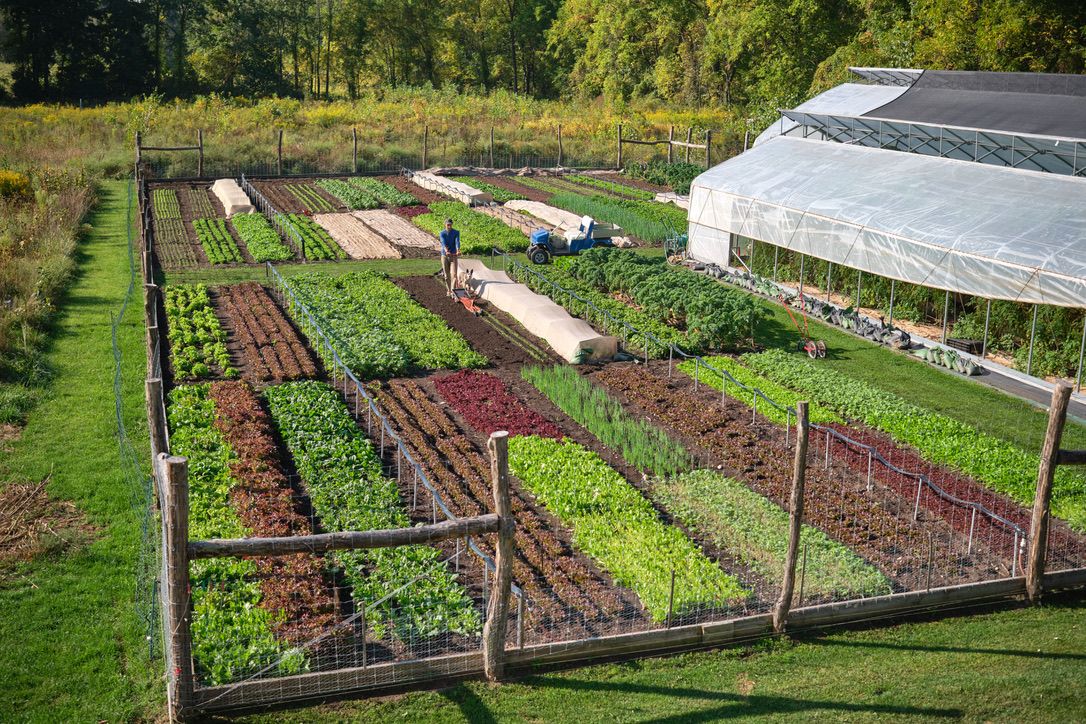
Now I operate Clay Bottom Farm with my wife Rachel Hershberger and two part-time workers, on 1/3-acre. We sell all of our food within 2 miles of the farm. I wrote about our journey in The Lean Farm books, and in 2017 I was appointed to the Grist 50, a list of emerging green leaders in the United States. I speak and lead lean farm workshops internationally.
LEARN MORE
"Everyone strives for efficiency in vegetable farming, but Ben Hartman has actually achieved it."

Lynn Byzynski
editor, Growing for Market Magazine
"We give every new employee a copy of Ben's writing to study. Adopting lean principles has been critical for bringing organization, focus, and harmony to our vegetable farm."

Pete Johnson
organic farmer and owner of Pete's Greens, Craftsbury, Vermont
"Ben Hartman is that rare person who could describe the lean farming revolution and then provide proven practices from his own farm."

Jim Womack
founder, Lean Enterprise Institute
Discounts on Ben's recommended tools
Sign up for my mailing list below to receive discount codes for tools and products I use and recommend. Students in my online course, the Lean Micro Farm Masterclass, receive exclusive discounts on additional products.
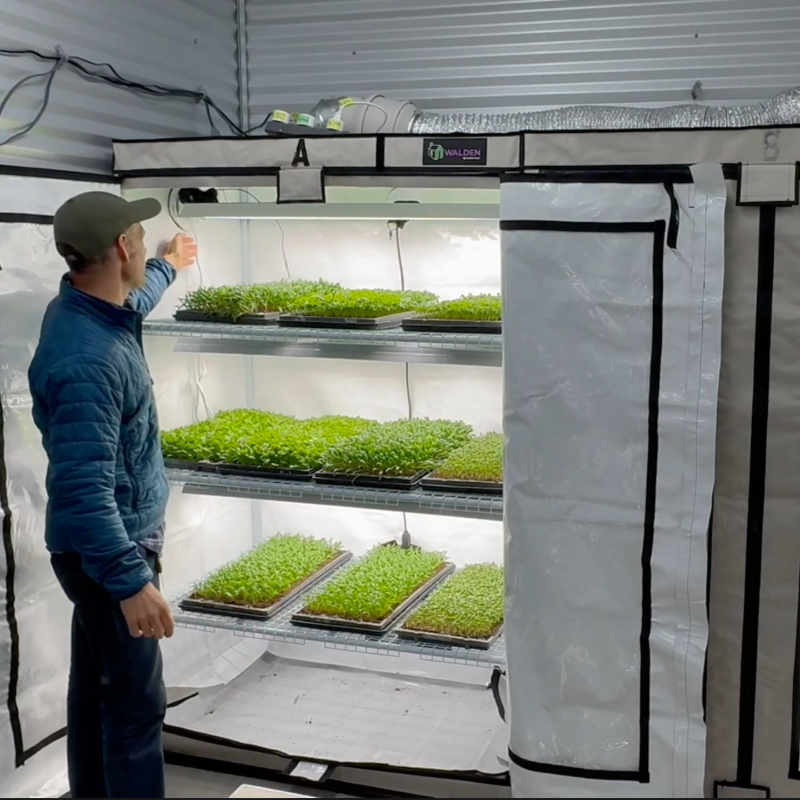
Walden Grow Tents: 10% off - use code CLAYBOTTOMFARMS
Ben uses the Greens & Veggies Walden grow tent kit from Active Grow for seed starting, growing microgreens, and small-scale winter growing.
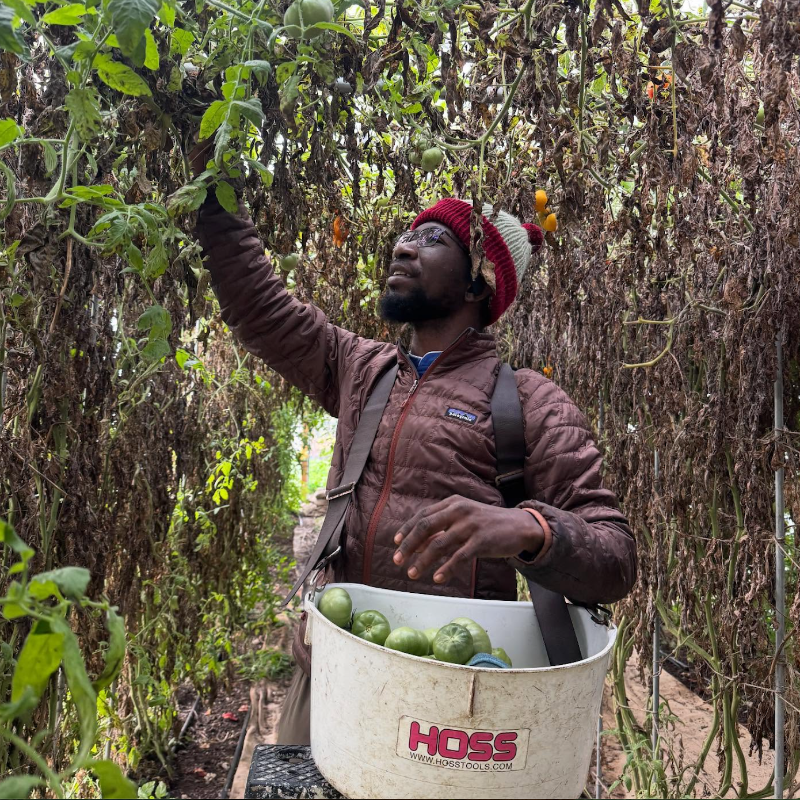
Hoss Tools: 10% discount - use code claybottomfarm10
Over the shoulder harvesting buckets from Hoss make tomato, cucumber, and sugar snap pea harvests easy at Clay Bottom Farm.
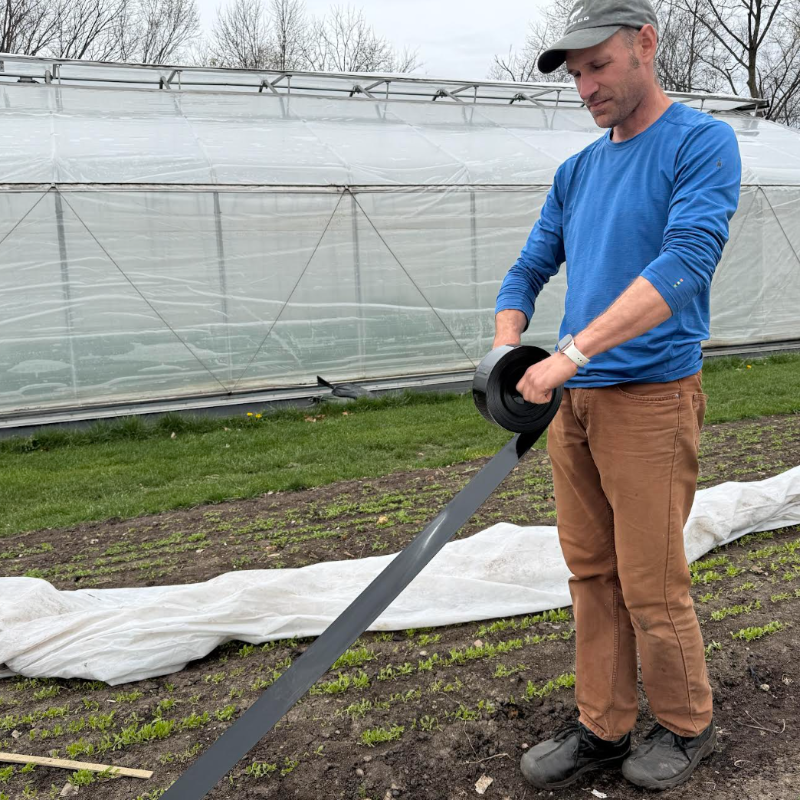
Sumi Soaker Max: 10% off - use code leanfarm2026
Check out this video to learn why Ben has switched over his irrigation system to the Sumi Soaker Max system from Modern Grower.
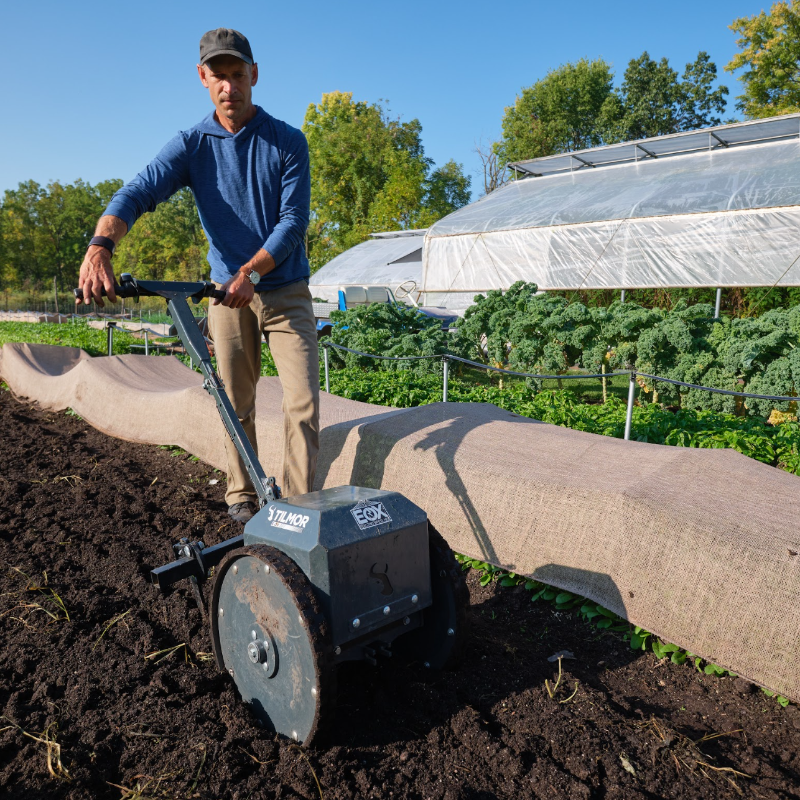
Tilmor - 4% discount
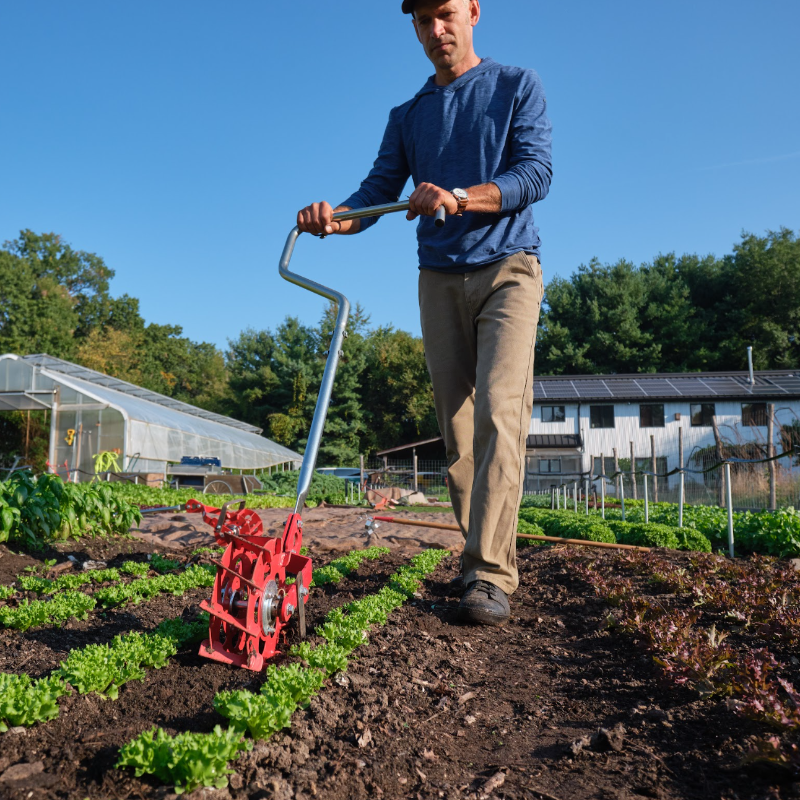
Ben recommends the Tilmor E-Ox electric wheel hoe and implements. Sign up below for Ben's mailing list and receive a 4% discount on Tilmor products.
Terrateck - 5% off
Sign up for the mailing list below to receive a code for 5% off Terrateck tools. Ben uses Terrateck tools as his primary cultivation tools at Clay Bottom Farm.

Lean Micro Farm book - 35% off
Join the email list below for a 35% discount on Ben's latest book, The Lean Micro Farm, from Chelsea Green Publishing.
Sign up for discounts
Sign up for Ben's mailing list to receive special offers and lean growing tips.
Follow Clay Bottom Farm on Instagram...
Instagram is Ben's microblog. Follow for lots of photos, tips, and lists of things he has put kickstands on recently.
CLAY BOTTOM FARM INSTAGRAM PAGE
